

BKC was established with the goal of addressing the shortage in sustainable biomass systems and reducing Turkey's dependence on imported activated carbon. The team, comprised of experienced engineers and academics, came together with a vision to develop domestic technology.

Market analyses were conducted with sales and research teams in Türkiye, Germany, and the United Arab Emirates. Technical reviews were carried out in China to examine activated carbon production technologies, and the target for domestic production was clarified.

A team of engineers and chemists collaboratively designed the rotary kiln system, which forms the basis of BKC's first carbonization and pyrolysis infrastructure. This project was the first step in materializing the company's engineering approach.

BKC has developed systems that enable carbon production, biochar, and energy recovery from biomass. Thanks to these integrated facilities, carbon reduction, energy efficiency, and carbon credit potential are brought together in the same infrastructure.
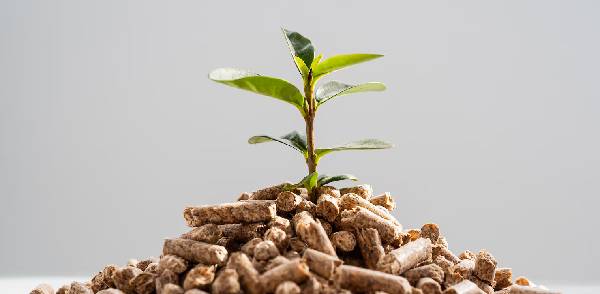
The BKC engineering team developed new solutions that increase efficiency by working on their own design of vertical carbonization systems. These systems reduced energy consumption while strengthening the sustainable production infrastructure.

By developing systems based on pyrolysis gas balance and heat recovery principles, facilities were enabled to generate their own energy. This resulted in both reduced operating costs and a significant decrease in carbon footprint.

The biochar and carbon conversion systems developed by BKC are designed with infrastructure suitable for carbon credit production. Thanks to traceable data systems, carbon reduction performance has been made reportable.

BKC aimed to create a sustainable carbon ecosystem with facilities integrating carbonization, pyrolysis, and energy recovery technologies. The company continues to grow with a vision for a greener future for industry and the environment.