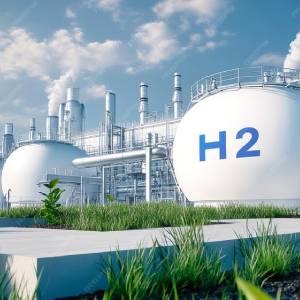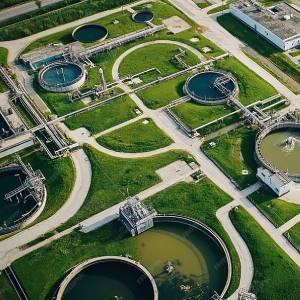

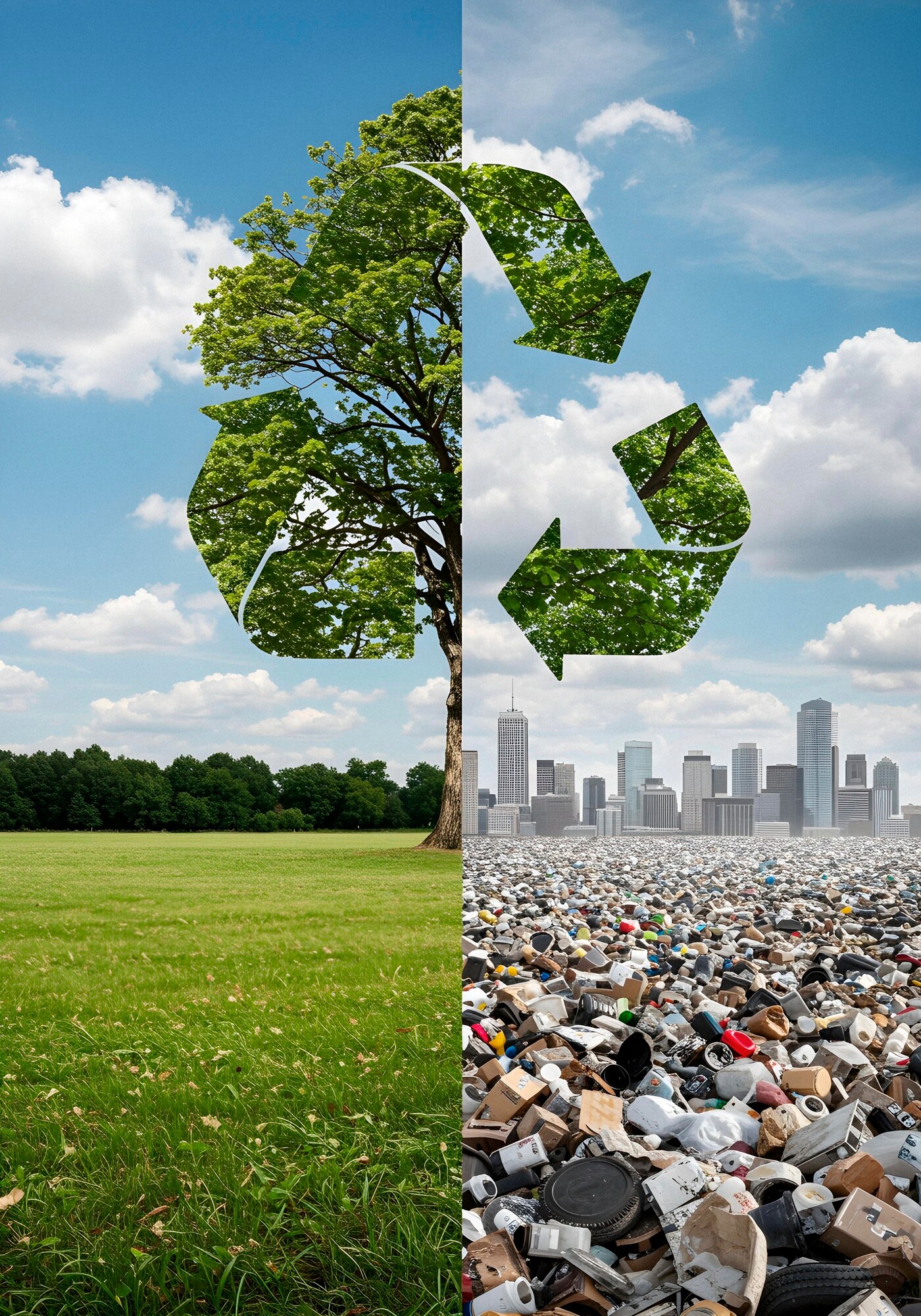
Activated carbon provides groundbreaking solutions in industrial waste management. Widely used in water and air treatment systems, it adsorbs harmful gases, heavy metals, and organic pollutants, helping reduce environmental contamination. This property has made activated carbon a crucial component of waste management strategies, especially in chemical, food, and energy industries.
In industrial processes, activated carbon ensures high efficiency in treating waste gases and liquids. In chemical plants, activated carbon filters play a vital role in removing organic solvents, volatile organic compounds, and odor-causing substances. In water treatment systems, contaminants and colorants from industrial waste are effectively removed.
The diversity of activated carbon production allows tailored solutions for different waste types. Carbon derived from wood, coconut shells, or coal can be optimized for pore structure and surface area to suit specific industrial needs. Modern activated carbon filters are long-lasting and low-maintenance, reducing operating costs and enhancing process efficiency.
From a sustainability perspective, activated carbon applications reduce environmental impact and support waste recovery. Using activated carbon in waste management contributes to lowering carbon footprint, improving energy efficiency, and complying with local environmental standards. By integrating this technology, industrial operators can fulfill environmental responsibilities while achieving long-term economic benefits.
In conclusion, activated carbon offers innovative and effective solutions for waste management. As an eco-friendly, cost-effective, and efficient material, it has become an indispensable tool in industrial processes. With technological innovations and proper applications, the full potential of activated carbon can be realized.