
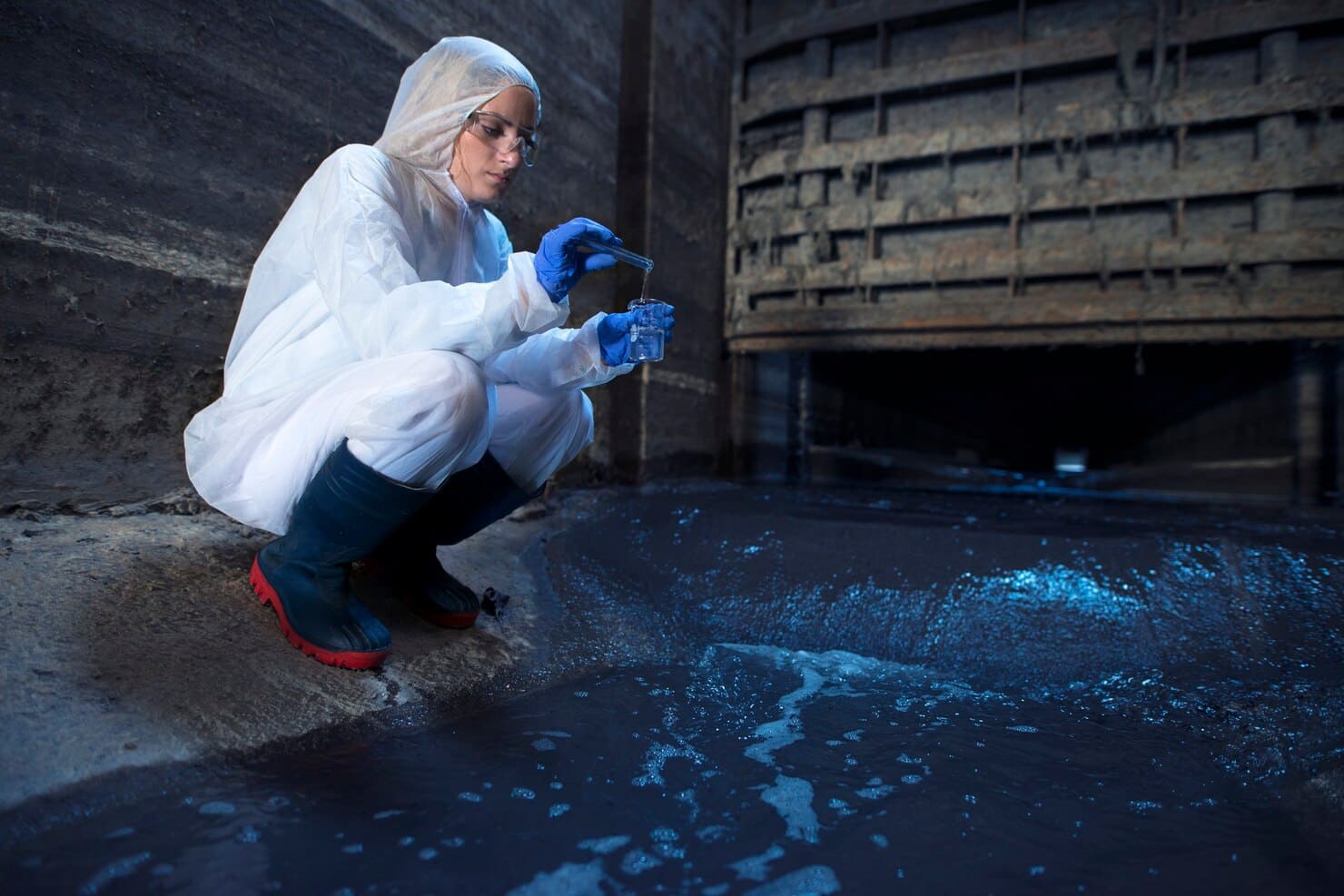
Activated carbon is an indispensable material in water treatment and industrial processes. With its high adsorption capacity, it removes organic and inorganic contaminants, improving water quality and ensuring efficient operations. Widely used in chemical, food, beverage, and pharmaceutical sectors, activated carbon enhances product purity while facilitating compliance with environmental standards.
In water treatment systems, activated carbon is particularly effective in removing color, odor, and microbial residues. During filtration and adsorption, it quickly captures harmful substances, ensuring clean and safe water. In industrial processes, activated carbon helps eliminate by-products, balance chemical solutions, and protect equipment.
The source and pore structure of activated carbon determine its performance. Wood, coconut shell, or coal-based carbon is optimized for specific applications using different pore structures. Modern carbon filters are long-lasting and low-maintenance, reducing operating costs and improving operational efficiency.
From a sustainability perspective, activated carbon provides environmental benefits. Controlling waste in water and processes, conserving natural resources, and reducing carbon footprint allows industrial operations to fulfill environmental responsibilities while optimizing costs.
In conclusion, activated carbon offers an efficient and eco-friendly solution for water treatment and process cleaning. With technological advancements and proper applications, industrial plants can maximize benefits and enhance production quality.