
Activated carbon is a versatile material that plays a critical role in industrial production and environmental technologies. Widely used in chemical, food, pharmaceutical, and water treatment sectors, activated carbon effectively captures harmful gases, odors, and pollutants due to its high adsorption capacity. This property provides significant advantages in improving air and water quality, optimizing processes, and increasing energy efficiency in industrial plants.
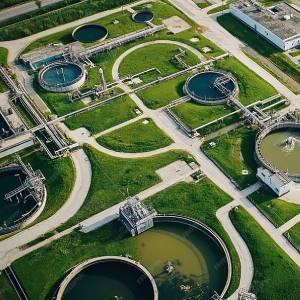
In industrial applications, activated carbon is particularly preferred for removing organic and inorganic substances in water treatment systems. Used in filtration and adsorption processes, it effectively eliminates harmful chemicals and microbial residues from water. In the chemical and pharmaceutical industries, activated carbon is essential for enhancing product purity and removing by-products.
The production methods of activated carbon further expand its applications. Activated carbon produced from wood, coconut shells, or coal features different pore structures and surface areas, allowing adaptation to specific industrial needs. Modern production techniques increase the adsorption capacity and durability of carbon, providing long-lasting and cost-effective solutions.
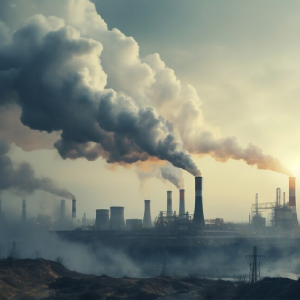
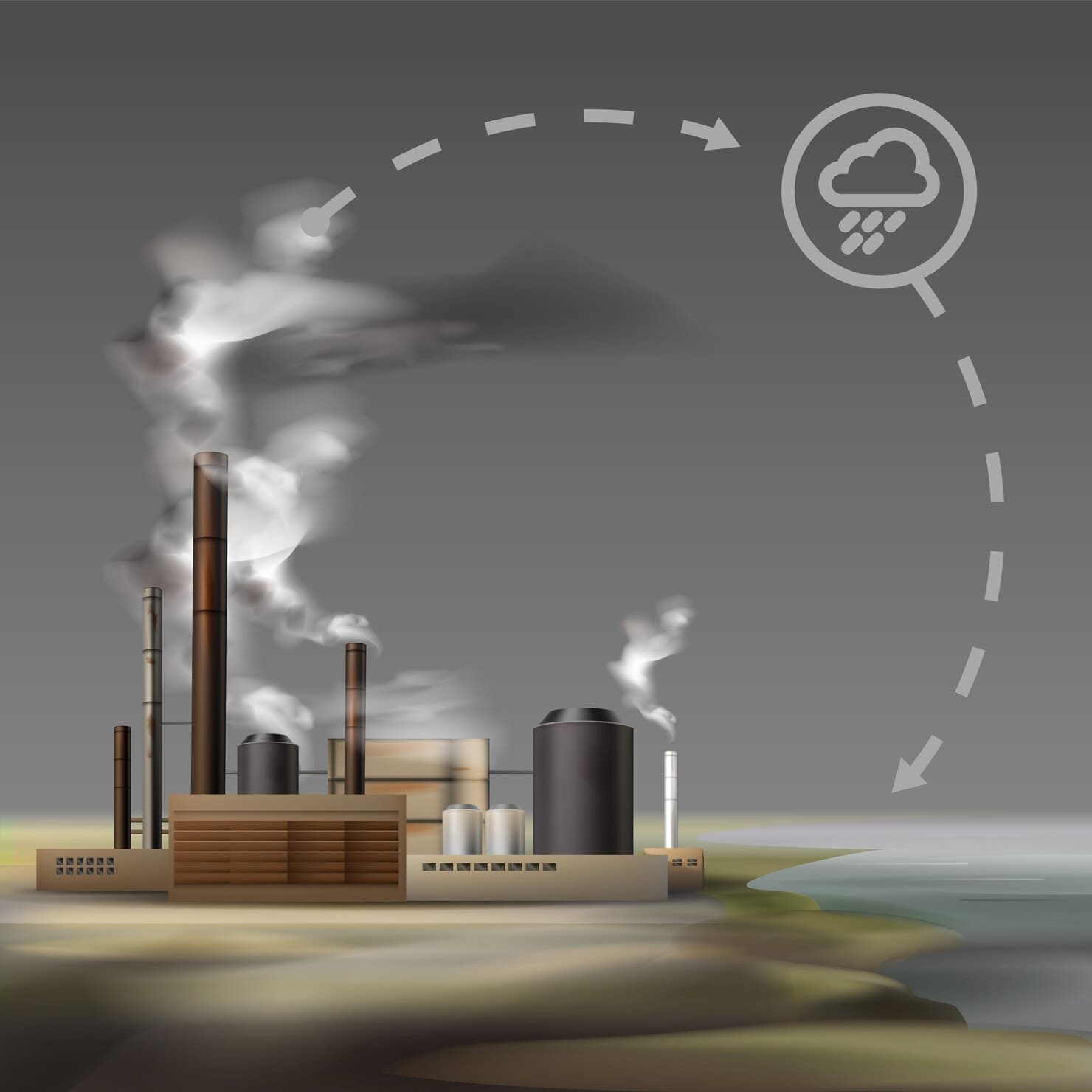
From a sustainability perspective, activated carbon use also offers environmental benefits. Reducing air pollution, managing waste gases, and providing clean water help industrial plants meet environmental standards while reducing operating costs. By integrating activated carbon applications effectively, facilities can increase production efficiency and fulfill their environmental responsibilities.
In conclusion, activated carbon stands out as a critical material for efficiency, quality, and environmental sustainability in industrial applications. Following technological innovations and optimization methods allows businesses to maximize both economic and environmental benefits.