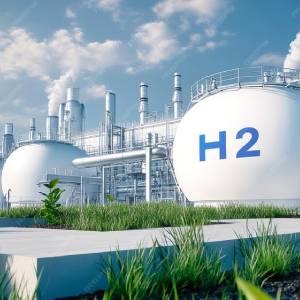


Biochar stands out as a critical resource for eco-friendly and sustainable energy production. By reducing fossil fuel use, biochar minimizes carbon emissions while providing a reliable alternative for electricity, heating, and industrial energy generation. Produced through pyrolysis, biochar turns organic waste into valuable energy, offering both environmental and economic benefits.
Using biochar in energy production significantly reduces the carbon footprint of industrial facilities. Biochar-fueled systems operate with high energy efficiency while minimizing emissions, contributing to sustainable energy goals. Biochar plants also support waste management by converting agricultural and forestry residues into a valuable energy source.
In industrial applications, biochar offers advantages in process optimization and energy recovery. Its high energy density allows for long-term storage and easy transport, making it a dependable energy source that reduces operational costs. Additionally, biochar plants stimulate rural economies and create local employment opportunities.
In sustainable energy strategies, biochar plays a critical role both environmentally and economically. Businesses can integrate biochar technologies to reduce carbon emissions, improve energy efficiency, and achieve long-term economic benefits. Technological innovations and efficiency-enhancing methods maximize biochar’s potential, ensuring reliable and sustainable energy production.
In conclusion, producing energy with biochar is not only an economic solution but also an eco-friendly and sustainable approach. Reducing carbon footprints, lowering energy costs, and contributing to local economies make biochar indispensable in modern energy strategies.