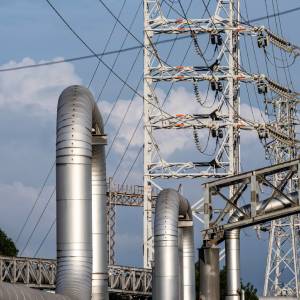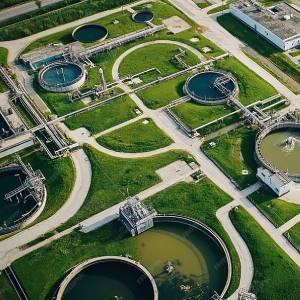


Biomass technologies are playing a revolutionary role in today’s energy production landscape. Converting agricultural residues, wood chips, food, and organic waste into energy offers a sustainable solution that is both economically viable and environmentally friendly. These systems reduce reliance on fossil fuels, minimize carbon emissions, and accelerate the green transformation of the energy sector. Modern biomass plants are designed to maximize energy efficiency and can process a variety of biomass materials. For example, biomass gasification systems convert organic waste into gas for electricity and heat production, while pyrolysis methods enable the production of carbon-rich biochar.
Another key advantage of biomass energy systems is their ability to stimulate rural economies. They create employment opportunities for local communities, make use of agricultural and industrial waste, and reduce energy costs. Biomass solutions are also flexible in scale, capable of meeting both small and large energy demands. When integrated with industrial heat recovery systems, they can deliver significant energy savings.
Governments and private sectors around the world place increasing importance on biomass technologies to achieve renewable energy goals. Many countries in Europe and the Americas are promoting biomass-derived energy and investing in projects that reduce carbon emissions and enhance energy security. Additionally, biomass plays a critical role in environmental sustainability by transforming waste into energy and conserving natural resources.
In conclusion, biomass technologies are not only a source of energy but also a cost-effective and eco-friendly solution. They provide a long-term and reliable option for businesses, local communities, and investors. By following industry advancements, technological innovations, and efficiency-enhancing applications, the full potential of biomass can be realized.