
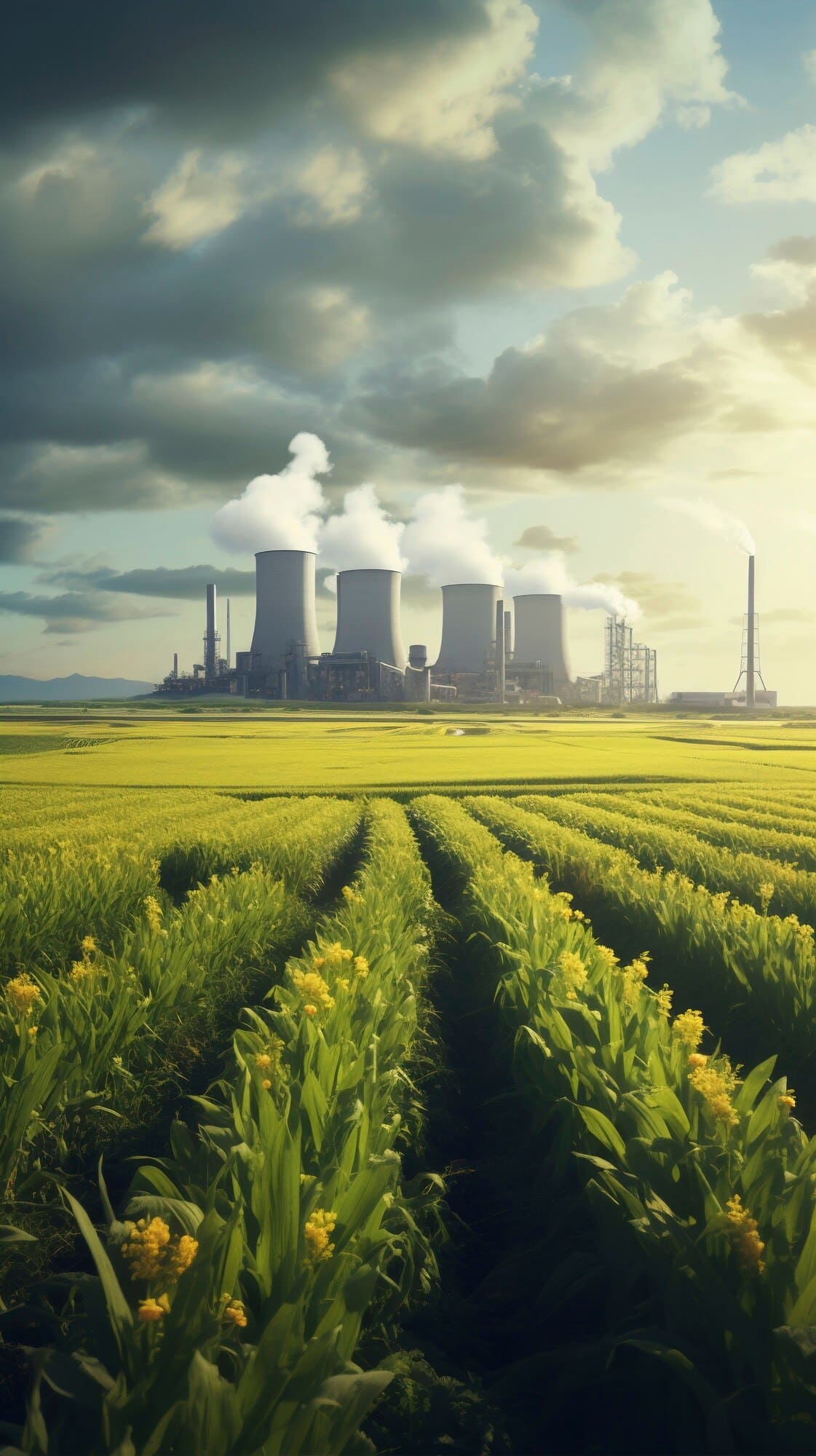
Biochar is a high-energy fuel obtained by carbonizing organic waste through controlled pyrolysis. As an alternative to fossil fuels, biochar offers an environmentally friendly and cost-effective energy solution. It can be used for electricity generation, heating, and industrial processes while significantly reducing carbon emissions and supporting sustainable energy goals.
The biochar production process efficiently utilizes biomass sources such as agricultural and forestry residues. Gases released during pyrolysis can be used for energy production, while the resulting biochar provides high energy density and easy storage, making it a long-term and reliable energy source.
From a sustainability perspective, biochar plants stimulate rural economies and create local employment. They reduce energy costs while providing environmental benefits in waste management. In industrial facilities, using biochar enhances energy efficiency and lowers carbon footprints during production processes.
Today, many countries promote biochar production to expand their renewable energy portfolios. For businesses, biochar not only delivers economic benefits but also plays a critical role in achieving environmental sustainability targets. With technological advancements and efficiency-focused practices, the full potential of biochar can be realized, making it a reliable source for energy production.